
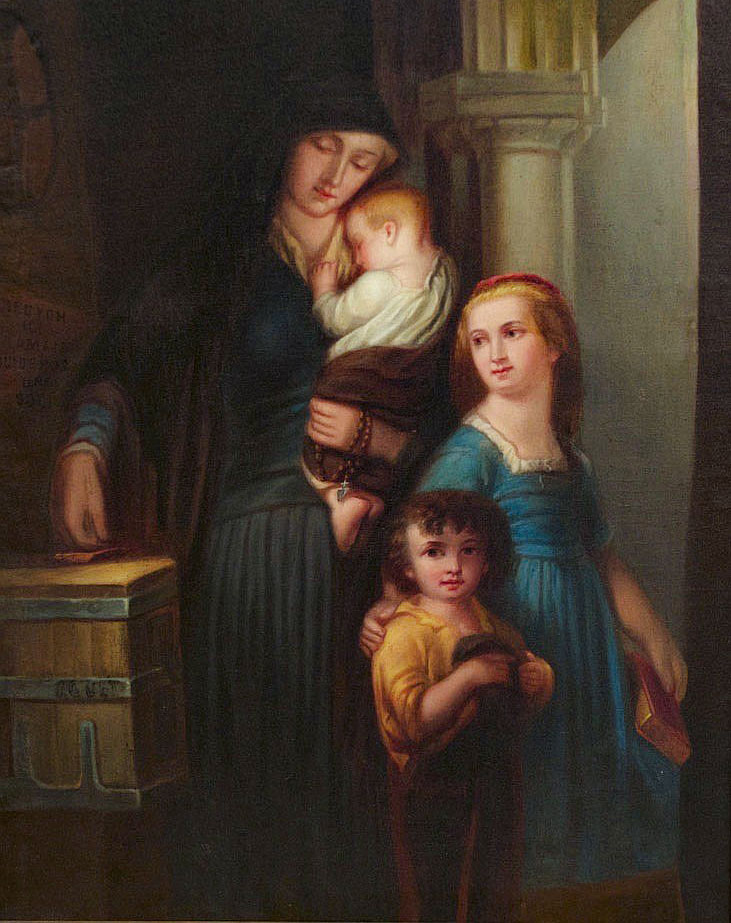
Many families know how to build wealth, but far fewer know how to pass it on in a way that strengthens the next generation.
The big challenge facing many wealthy Baby Boomers today is not how to transfer assets but how to give those assets a meaningful purpose. Wealth should serve a family, support society and endure for future generations.
Baby Boomers are expected to pass down an estimated $124 trillion to younger generations and charities over the next 22 years. This “Great Wealth Transfer” is already underway, with about $1 trillion changing hands annually.
The Real Risk Is Not Financial
For many families, the central threat to their fortune is not market volatility, taxes or poor investment performance. It is more personal.
Parents are concerned that their children and grandchildren will not be morally, emotionally, financially, and socially prepared to inherit wealth. They fear recipients will not manage their inheritance with virtue. They might squander it to the detriment of their souls and society.
In most cases, the breakdown of generational wealth is due to a failure to pass down the virtuous habits, principles and discipline that created and sustain wealth.
Receiving an Inheritance Without a Plan Is the Same as Winning the Lottery
Many think that inheriting wealth is like winning the lottery. It will solve all their financial problems. However, a fascinating look at Florida Lottery winners tells a more ironic and heartbreaking story. When researchers compared people who won a modest amount with those who suddenly won a substantial $50,000 to $150,000, they found that a sudden influx of cash does not prevent bankruptcy; it merely postpones it.
The big winners eventually ended up with the exact same level of crippling debt and empty bank accounts as the small-time winners.
The Virtues That Help a Patrimony Endure
Wealth tends to endure when families teach the cardinal virtues early and consistently: prudence, justice, temperance, and fortitude.
- Prudence helps people make wise decisions and think long-term.
- Justice teaches responsibility, fairness and stewardship.
- Temperance restrains excess and keeps consumption in check.
- Fortitude builds resilience, especially when setbacks come.
These are practical tools for preserving patrimony across generations. A stable family that upholds strong principles and accountability, with a shared purpose, is far more likely to preserve its wealth than a family that treats inheritance as a private entitlement.
Can the Third-Generation Curse Be Stopped?
The phrase “shirtsleeves to shirtsleeves in three generations” means that wealth is often created by one generation, squandered by the next, and gone by the third.
A widely cited claim holds that 70 percent of wealthy families lose their wealth by the second generation and 90 percent by the third. Whether or not the exact percentages hold in every case, the underlying pattern remains valid.1
One of the great ironies of family wealth is that “good intentions” can lead to bad outcomes. Controlled struggle is not cruelty: it is training.
Parents naturally want to protect their children from hardship. But children who never face difficulty never develop the skills to manage life—or money. If every obstacle is removed, they miss the chance to solve problems, make decisions, recover from mistakes and build confidence.
A Famous Example of Wealth Lost
Once one of America’s wealthiest families, the Vanderbilts built their fortune through railroads. Yet within a few generations, much of that fortune had vanished. Today, nothing significant remains.
The problem was not a lack of opportunity but of structure, discipline and accountability. Later generations became known more for extravagant spending than for stewardship. This family’s story highlights a simple truth: a patrimony without virtue, oversight or long-term planning is doomed to disappear.
The Future of Patrimony Depends on What Families Teach
If families wish to preserve their family fortunes, they must pass down more than assets. They must pass down judgment, responsibility, restraint and purpose.
That means teaching children how to think, not how to spend. It means allowing them to struggle enough to grow. It means challenging incorrect beliefs about money that can distort success or foster fear. And it means educating children in a way that reinforces principles rather than leaving decisions to the emotions of the moment.
The third-generation curse can be stopped. But it will only be stopped by families willing to invest in virtue as diligently as they do their portfolios.