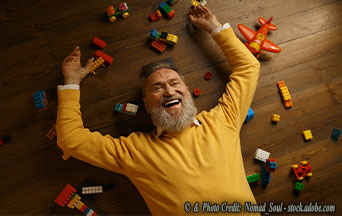
Many lament young people who don’t want to take on the responsibilities of adulthood. They occasionally dare to venture out into the grown-up world and engage in what they call “adulting.” The term means attempting to do adult-like things. Making a bed in the morning or arriving on time for work qualify as adulting exercises.
Now, observers are noting a reverse trend. This one involves adults, especially millennials and Gen Zers, who venture back into the world of children. They engage in what is called “kidult” activities, which means grown-ups engaging in childish pursuits.
The World of Toys
This trend is especially found in the world of toys and entertainment. Adults are buying a record amount of toys. LEGO, stuffed animals, dolls, trading cards, and Hot Wheels cars are finding their way into and even filling the rooms of adult houses. Many adults want to grow down and buy the toys they never could have as children.
The trend goes by other names, such as hobby spending, toy collecting, self-gifting or crafting. However, the idea is the same. Toys are a way to have fun, evoke nostalgia or relive childhood.
In a digital world, the toy is a tactile experience that has a greater impact on the person. The trend also extends to childish programming and media choices.
Adults have the money to splurge on entertaining themselves. Indeed, retailers are cashing in on the trend that has become an over-$7 billion market. Business is booming among these post-boomers. Toy makers like them because they buy more expensive products and keep larger collections.
Market research company Circana reports that adult-only households account for over half of toy sales in the first half of this year. Overall toy sales for adults increased 25% during the same period.
The Reasons Behind the Trend
Many believe that stress is driving this adult market for toys. The items bring back happy childhood memories when things were simpler. From a social perspective, the trend unites collectors who create networks that serve as platforms for meeting like-minded people.
The kidults note that the stigma attached to buying childish things is all but gone. Under the cover of collecting and crafting, adults can indulge in binge-buying toys without guilt. Many claim the toys have therapeutic value amid the tensions of the modern world. They justify their choices by saying that anything that brings joy and happiness is empowering and therefore should not be a cause for embarrassment.
The Role of Toys
However, childish things should be limited to childhood. While childhood can be a time of innocence and happiness, it is above all a time of preparation for life. Children are shielded from dangers so that they might have the occasion to build character, establish good habits and grow in the love of God that comes naturally to them. These formative years also allow them time to rid themselves of the childish defects of immaturity, irresponsibility and silliness.
Toys are not without meaning in accomplishing this purpose. They play a role in this formation, as they are often tools through which children imagine their future lives as adults.
Before the tyranny of gender-neutral toys, boys and girls envisioned their roles in society through playing and imitating role models involving toys. Toys also expand children’s imaginations, allowing them to conceive marvelous things without considering the practical complications they must later overcome.
Childhood Prepares for Adulthood
Thus, childhood should always aim for maturity and responsibility. Adults must set the example for children by achieving standards of excellence, establishing families, developing arts and worshiping God.
By adopting childish habits, kidults end up suffering more. They thrust themselves back into a world which is no longer theirs. They experience the frustration of trying to be what they are not. Gen Z and millennials are especially vulnerable since media, social media and other trends favor fantasy, narcissism and self-projection.
The world is falling apart and in dire need of adults. It’s time to put away the toys and return to real life.