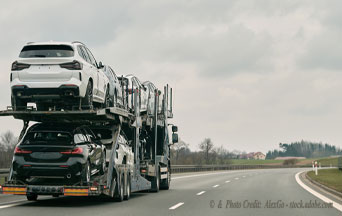
Germany’s auto industry has long been the undisputed heavyweight champion in mechanical engineering and the production of high-quality cars. It now faces a structural crisis of historic proportions. The abrupt removal of consumer EV subsidies, skyrocketing energy costs, green mandates and relentless international competition have created the “perfect storm.”
For an industry built on precision and predictability, shifting mandates have severely squeezed profits. Automakers are now forced into the uncomfortable position of announcing factory restructuring and mass layoffs. The crisis is a bitter cocktail of high domestic production costs, sluggish consumer adoption and consumers who do not want EVs.
Major players such as Volkswagen and Daimler Truck are closing factories and reducing staff on their home turf. In a deeply ironic twist, lagging EV sales have forced legacy giants like Mercedes-Benz and Porsche to funnel billions of euros back into developing the very combustion-engine vehicles they were supposed to phase out, all to protect their short-term survival.
The Obsession with EVs and the Deluge of Cheap Chinese Imports
At the center of this controversy stands the European Union’s aggressive climate agenda and its rigid push toward full electrification. Preserving combustion engines powered by renewable fuels, alongside plug-in hybrids, could significantly reduce social and economic damage while still inching toward climate goals. But for the German auto worker on the assembly line, this utopian vision has been a nightmare.
These domestic struggles are only magnified by global pressures. German automakers face an onslaught of cheap Chinese EVs flooding the market on one side and U.S. tariffs on European exports on the other. Now, German automakers and lawmakers are urging the European Union to relax the 2035 phase-out of new combustion-engine vehicles, citing cold, hard market realities.
The Cost of “Climate Nirvana”
Germany’s economy is navigating a grim period of prolonged stagnation. If the road to “climate nirvana” is paved with good intentions, one should not expect to see many German cars on it.
The industry has already lost roughly 100,000 auto-related jobs since 2019. Another 125,000—or one in six current jobs in the sector—are on track to disappear by 2035. That is a devastating outlook for what the government itself admits is the country’s most important industrial sector.
As the effects of these draconian EV mandates began to take hold, Berlin and other European governments understandably panicked. Late in 2025, the European Commission proposed a watered-down EV directive that would offer a brief reprieve for combustion engines. Yet this lifeline remains mired in the EU’s socialist red tape, and it may be too little, too late.
The Human Toll on the Assembly Line
EVs are less complex and require fewer parts than combustion-powered cars, thus requiring fewer workers. Yet that alone cannot explain the accelerating job loss. The broader tragedy is the complete loss of the hospitable business environment the German auto industry once enjoyed.
Berlin’s woke decision to ramp up expensive and unreliable solar and wind power generation while simultaneously shuttering functional nuclear plants has destroyed industries across the board.
Among the 38 countries in the Organization for Economic Co-operation and Development, Germany ranks a dismal 30th in corporate tax rates. Add an increasingly burdensome bureaucracy, and it becomes clear why one in twelve German companies is now deeply worried about its very survival. As the nation watches its most revered industry crumble under the weight of woke impositions, one tragic truth cries out: Economic suicide is never painless.
Photo Credit: © AlexGo – stock.adobe.com