
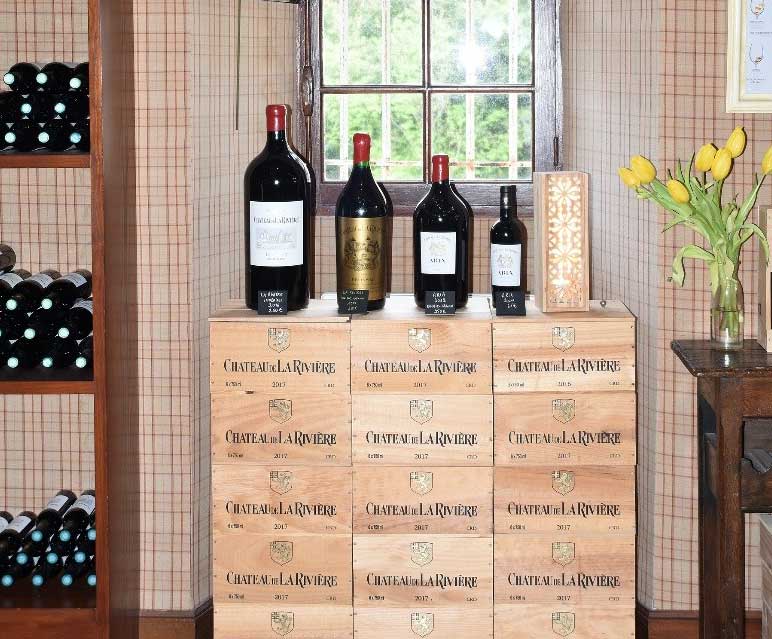
As China got ever richer from its world trade, its wealthy officials indulged in fine wines, foods and other items. There was a booming market for Western luxuries among the nouveau riche Chinese who wanted to show off their newfound wealth and status.
Suddenly, all this has come to a halt. China has recently banned alcohol at all official and government-sponsored events as part of a renewed anti-corruption and austerity campaign. This regulation clearly forbids alcohol, luxury foods and cigarettes, aiming to curb extravagant dining habits among government officials. Consequently, luxury banquet spending has dropped sharply, pulling down high-end alcohol sales with it, especially wine.
Such an amoral climate prepares the way for bribery, large-scale corruption and black markets that inevitably develop.
The Wine Market Withers on the Vine
This sudden move against luxury dining is devastating the once-booming wine market in China. It is causing the Chinese wine market to collapse, sending shockwaves through the global winemaking community.
Treasury Wine Estates, an Australian company, is one of the world’s largest wine producers, and now faces a staggering dilemma: About $150 million worth of excess wine sits in Chinese distributors’ warehouses because of the Chinese Communist Party (CCP).
The falling demand is having repercussions throughout the wine-producing world. Vineyard owners from Napa to Bordeaux are uprooting their vines and leaving ripe grapes on the vine to spoil in the fields. Alcohol giants like Pernod Ricard, Diageo and E&J Gallo Winery are experiencing double-digit declines in their sales in China.
Hopes that China’s thirst for foreign wines would eventually rebound were dashed when Beijing issued bans on alcohol consumption at government and CCP events, a major venue for wine consumption. Chinese officials now quietly sip tea during meetings of the National People’s Congress.
The Short-Lived “Red Revolution”
Winemakers worldwide have been heavily dependent on China as a consumer market. In 2025, Chinese wine imports declined by 11 percent. Imports are now at half their 2018 peak, when China eagerly bought nearly $3 billion worth of foreign wine. At the time, French publications dubbed the surge in Chinese consumption of (red) wine as a second “Red Revolution.”
The dependence occurred in the mid-2000s when China unexpectedly increased its share of global wine imports from less than 1 percent to 8 percent by 2017. Wine producers from Australia, France, Chile, Italy and New Zealand especially benefit from the splurge.
The Brief Chinese Fad to Buy Wineries
The thirst for good wine led some wealthy Chinese buyers to buy nearly 100 estates in Bordeaux, France. Ignoring history, their rebranding of historic vineyards caused cultural clashes. The Chinese renamed vineyards and wines to reflect Chinese ideas to attract the Chinese market. French novelist Philippe Sollers wryly noted that he had never met an “Imperial Rabbit” or “Tibetan Antelope,” calling the name changes “appalling.”
The Chinese officials did not share the same cultural connection with wine, which is the product of France’s Catholic civilization. They often bought vineyards and wine on a whim. They would also discard them just as easily when fashions or government policy changed.
Empty Glasses and an Ailing Economy
A downward shift in demand caused by Covid-19 and the property values crash left many citizens significantly poorer and far less inclined to consume luxuries such as foreign-made alcohol.
When demand plummeted, wealthy Chinese owners began quietly unloading their Bordeaux estates around mid 2017. By 2022, a French group mercifully acquired Château Antilope Tibétaine and restored its traditional name, Château Sénailhac.
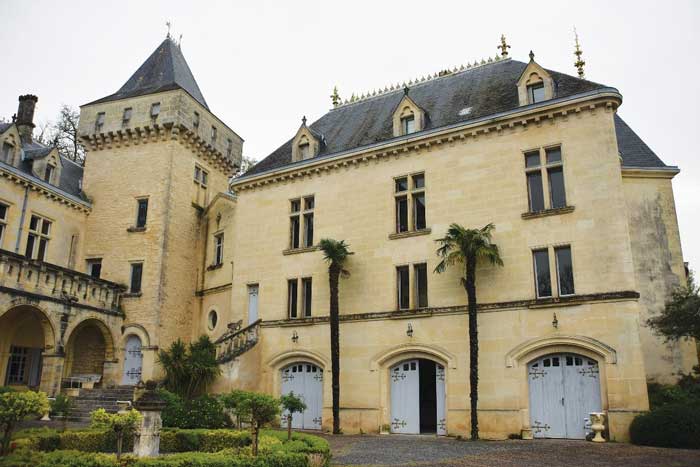
The historic Bordeaux estate Château de La Rivière in Fronsac, Bordeaux, dating back to 1577 and built on medieval foundations, was purchased in 2025 by Global Food Investments (GFI). GFI acquired the stunning 160-acre vineyard and the 247-acre property from the Chinese Bolian group, which had owned it since 2013.
The latest anti-corruption drive has further precipitated drinking habits. The once-booming sector of imported wine, fueled by extravagant gifting and entertainment, simply evaporated.
The sudden fall in demand has made the situation in places like Bordeaux very bleak. Since 2023, the Bordeaux region has been forced to leave roughly 20 percent of its treasured vineyards fallow.
Echoes of 1985: When Central Planning Fails
Wine producers are left with little hope for a market rebound. The artificial market created in the early part of the century no longer exists. Centralized planning prevails, wiping out livelihoods and historic products.
Local communist officials, operating with a lazy governance mentality, eagerly enforced the alcohol ban while completely ignoring its impact on China and the world.
Indeed, Xi Jinping has launched a “morality” crackdown that carries an almost sinister irony. Atheistic communism is widely recognized for fostering corruption because it recognizes no moral law. It relies on a centralized structure that gives state officials absolute control over economic and political resources without accountability. Such an amoral climate prepares the way for bribery, large-scale corruption and black markets that inevitably develop.
The sad case of the crash of the Chinese wine market should be a lesson to all that China is not a reliable partner in anything. Its socialist government not only hurts its workers but wreaks havoc upon the world.
Photo Credit: The American TFP Photo Archive.