Skip to content
Menu
Menu
Who We Are
About Us
TFP Statements
The Founder
FAQ
Contact Us
TFP Links
Close
Campaigns
What We Do
Petitions
Anti-Blasphemy
Pro-Life: In Defense of the Unborn
Public Square Rosary
Rosary to Restore America
Traditional Marriage Crusade
Pacific Coast Report
Return to Order
More
TFP Student Action
America Needs Fatima
Nobility Campaign
An American Knight
Close
Close
Articles
News Commentary
Catholic Perspective
Gregorian Mass
10 Commandments of Chivalry
St. Thomas Say On Immigration
The Popes on Socialism
10 Reasons to Reject Socialism
10 Reasons Why Abortion Is Evil
Close
Fighting the Culture War
Why ‘Wicked’ Is Woke
“Paranormal” Circus & Demonic Themes
Vulgarity the Language of the Devil
The Impact of Profanity
Close
Plinio Corrêa de Oliveira
His Early Years
A Man of Faith and Action
Philosophical Self-Portrait
Revolution and Counter-Revolution
Close
About Our Lady
Our Lady of Charity
Our Lady of Good Success Prophecy
Close
Saints & Catholic Heroes
The Story of Saint Ferdinand
The Life of Baldwin IV
Saint José Luis Sánchez del Río
Saint Quotes on Rosary
What 10 Saints Said Before Going to Heaven
Close
TFP Recommends Books
Prayers & Devotions
Saint Joan of Arc Novena
Novena to Our Lady of Loreto
Novena to Our Lady of Good Counsel
Michael of the Morning Prayer
Close
Close
Free
Publications
TFP Books
Crusade Magazine
Close
DONATE
Menu
Who We Are
About Us
TFP Statements
The Founder
FAQ
Contact Us
TFP Links
Close
Campaigns
What We Do
Petitions
Anti-Blasphemy
Pro-Life: In Defense of the Unborn
Public Square Rosary
Rosary to Restore America
Traditional Marriage Crusade
Pacific Coast Report
Return to Order
More
TFP Student Action
America Needs Fatima
Nobility Campaign
An American Knight
Close
Close
Articles
News Commentary
Catholic Perspective
Gregorian Mass
10 Commandments of Chivalry
St. Thomas Say On Immigration
The Popes on Socialism
10 Reasons to Reject Socialism
10 Reasons Why Abortion Is Evil
Close
Fighting the Culture War
Why ‘Wicked’ Is Woke
“Paranormal” Circus & Demonic Themes
Vulgarity the Language of the Devil
The Impact of Profanity
Close
Plinio Corrêa de Oliveira
His Early Years
A Man of Faith and Action
Philosophical Self-Portrait
Revolution and Counter-Revolution
Close
About Our Lady
Our Lady of Charity
Our Lady of Good Success Prophecy
Close
Saints & Catholic Heroes
The Story of Saint Ferdinand
The Life of Baldwin IV
Saint José Luis Sánchez del Río
Saint Quotes on Rosary
What 10 Saints Said Before Going to Heaven
Close
TFP Recommends Books
Prayers & Devotions
Saint Joan of Arc Novena
Novena to Our Lady of Loreto
Novena to Our Lady of Good Counsel
Michael of the Morning Prayer
Close
Close
Free
Publications
TFP Books
Crusade Magazine
Close
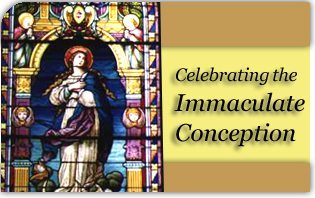
The Immaculate Conception: A Marvelous Theme
Who We Are
About Us
TFP Statements
The Founder
FAQ
Contact Us
TFP Links
Campaigns
What We Do
Petitions
Anti-Blasphemy
Pro-Life: In Defense of the Unborn
Public Square Rosary
Rosary to Restore America
Traditional Marriage Crusade
Pacific Coast Report
Return to Order
More
TFP Student Action
America Needs Fatima
Nobility Campaign
An American Knight
Articles
News Commentary
Catholic Perspective
Gregorian Mass
10 Commandments of Chivalry
St. Thomas Say On Immigration
The Popes on Socialism
10 Reasons to Reject Socialism
10 Reasons Why Abortion Is Evil
Fighting the Culture War
Why ‘Wicked’ Is Woke
“Paranormal” Circus & Demonic Themes
Vulgarity the Language of the Devil
The Impact of Profanity
Plinio Corrêa de Oliveira
His Early Years
A Man of Faith and Action
Philosophical Self-Portrait
Revolution and Counter-Revolution
About Our Lady
Our Lady of Charity
Our Lady of Good Success Prophecy
Saints & Catholic Heroes
The Story of Saint Ferdinand
The Life of Baldwin IV
Saint José Luis Sánchez del Río
Saint Quotes on Rosary
What 10 Saints Said Before Going to Heaven
TFP Recommends Books
Prayers & Devotions
Saint Joan of Arc Novena
Novena to Our Lady of Loreto
Novena to Our Lady of Good Counsel
Michael of the Morning Prayer
Free
Publications
TFP Books
Crusade Magazine
Close