
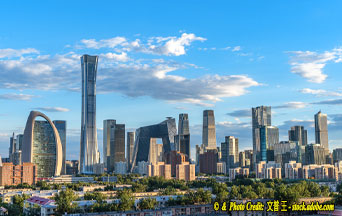
In both the bustling cities and quiet towns of China, a strange paradox is unfolding. It is a tale of two conflicting realities.
Electric cars whiz past hollowed-out apartment blocks and empty high-rise office complexes. State-of-the-art robots churn out goods that the unemployed graduates who built them can’t afford. As China tries to close the technological gap with the U.S., large swaths of its economy collapse under the weight of poor planning, debt and rampant waste.
The clash between these two realities comes with a staggering price tag. State funds are being poured into money-losing ventures while essential social safety nets are at the breaking point. It is a massive misallocation of resources, a gamble that prioritizes silicon over stability.
The Cost of Self-Sufficiency
Beijing’s strategy is clear: build a fortress of self-sufficiency against foreign tech blockades. Then, expand and flood world markets with subsidized goods. Finally, dominate markets with ruthless efficiency.
However, such a strategy does not consider the real cost of things based on supply and demand. It leads to tremendous waste.
Consider the electric vehicle market. Of the 129 brands vying for dominance last year, only 15 are expected to survive the decade. Or consider the humanoid robot industry, already glutted with over 150 companies. Local governments, terrified of letting these “champions” fail, keep them on life support, preventing the market from weeding out the weak.
The Reality of a Failing Economy
Despite the shiny veneer of high-tech progress, the cracks of this artificial situation are visible. Home prices have plummeted, leaving families anxious and pinching pennies. In the countryside, hundreds of millions of people still survive on just a few dollars a day.
Take Mianchi County in Henan province. Here, spending on science and technology has jumped by 50 percent even as government revenue shrinks. An industrial park for robotics has been raised from the dust, with state funding. Yet the people keeping the town running—carpenters, teachers, mechanics and policemen—are pleading for unpaid wages on public message boards. The government does not have the money to pay for its excesses and answers these pleas with a promise to pay eventually, signed off with a tone-deaf wish for a “pleasant life.” This is communist central planning funding the future while failing to pay for the present.
Communism’s Legacy of Debt and Missed Opportunities
Government debt has ballooned to an estimated $23 trillion, doubling in just five years. The International Monetary Fund estimates that state aid to businesses—cash subsidies, tax breaks, and cheap credit—has dragged down GDP by $800 billion.
The solution is simple, but Beijing knows better. It needs to stop pouring concrete and start empowering consumers. Shift away from investment and exports; let the market decide the winners and losers.
A market-driven economy rather than one dictated by communist planning would create a stronger social safety net and encourage people to spend rather than hoard their savings for a rainy day.
Digging in for the Long Haul
For now, Xi Jinping is staying the course, determined to export his way out of the crisis. The trade surplus recently topped $1 trillion, a testament to China’s manufacturing might. This pursuit of self-reliance is not new; it echoes Mao Zedong’s push for independence in the sixties. The difference today is resources—China now commands a legion of scientists and a mountain of capital, all courtesy of the West.
Yet the ghost of waste haunts this modern Great Leap Somewhere. Billions poured into favored sectors like biotech and EVs have evaporated without creating the jobs needed for a restless generation. With one in six young people in cities out of work, the disconnect between high-tech ambition and economic reality is stark.
With no regard for moral principles, communist officials insist that self-reliance is the bedrock of prosperity and security. But as China races toward the technological horizon, one has to wonder: is it building a bridge to the future or digging a hole it cannot climb out of?
Photo Credit: © 文普 王 – stock.adobe.com