
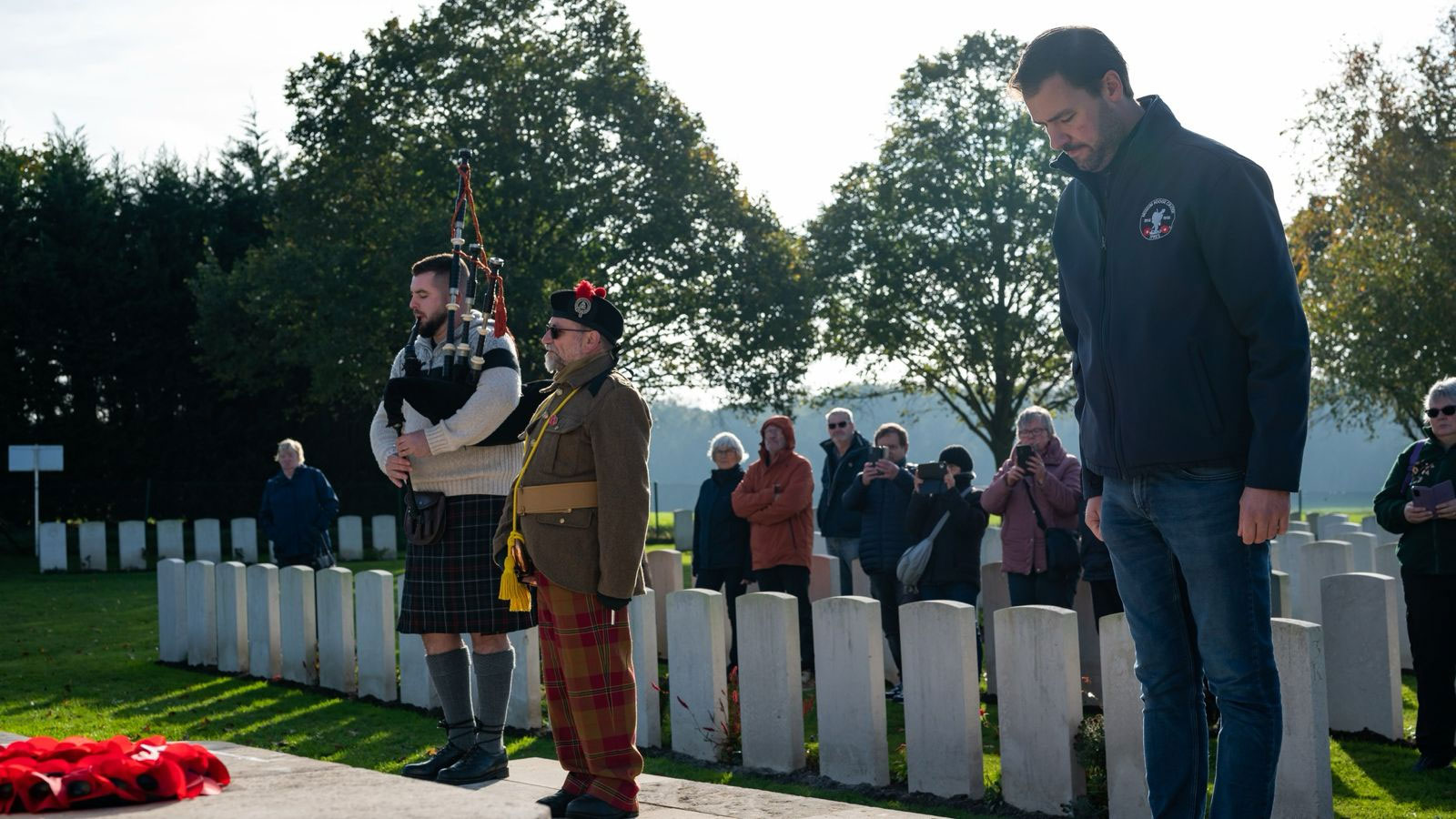
“They shall grow not old, as we that are left grow old:
Age shall not weary them, nor the years condemn.
At the going down of the sun and in the morning
We will remember them.”
– From the poem, “For the Fallen” by Laurence Binyon.
In the west of Flanders lies the Belgian city of Ypres. The Ypres Salient was the scene of some of the most bloody battles during World War I. Hundreds of thousands of Allied soldiers would die in the Salient.
Every Day Since 1928…
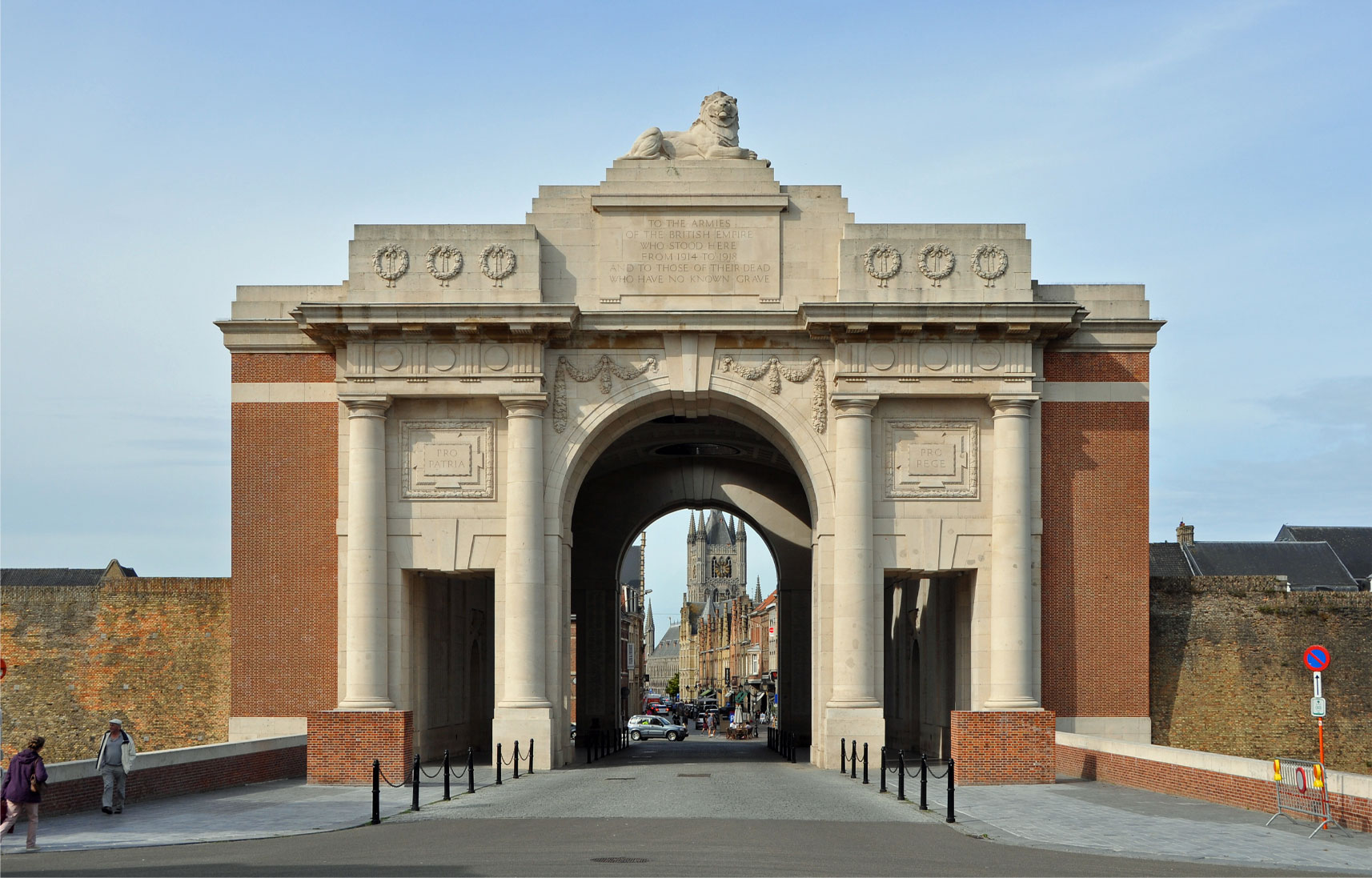
On the outskirts of Ypres is a large triumphal arch stone gate called the Menin Gate, dedicated to those Allied and especially English Commonwealth soldiers who died and are known but whose remains were never found.
The tradition started in 1928 and was only interrupted by World War II. It continues to this day. Every evening, there is a ceremony of remembrance for 54,395 soldiers who died fighting in Flanders and have no known graves.
Starting at 8 p.m., members of the local firefighters’ brigade perform The Last Post on bugles. A moment of silence is then observed.
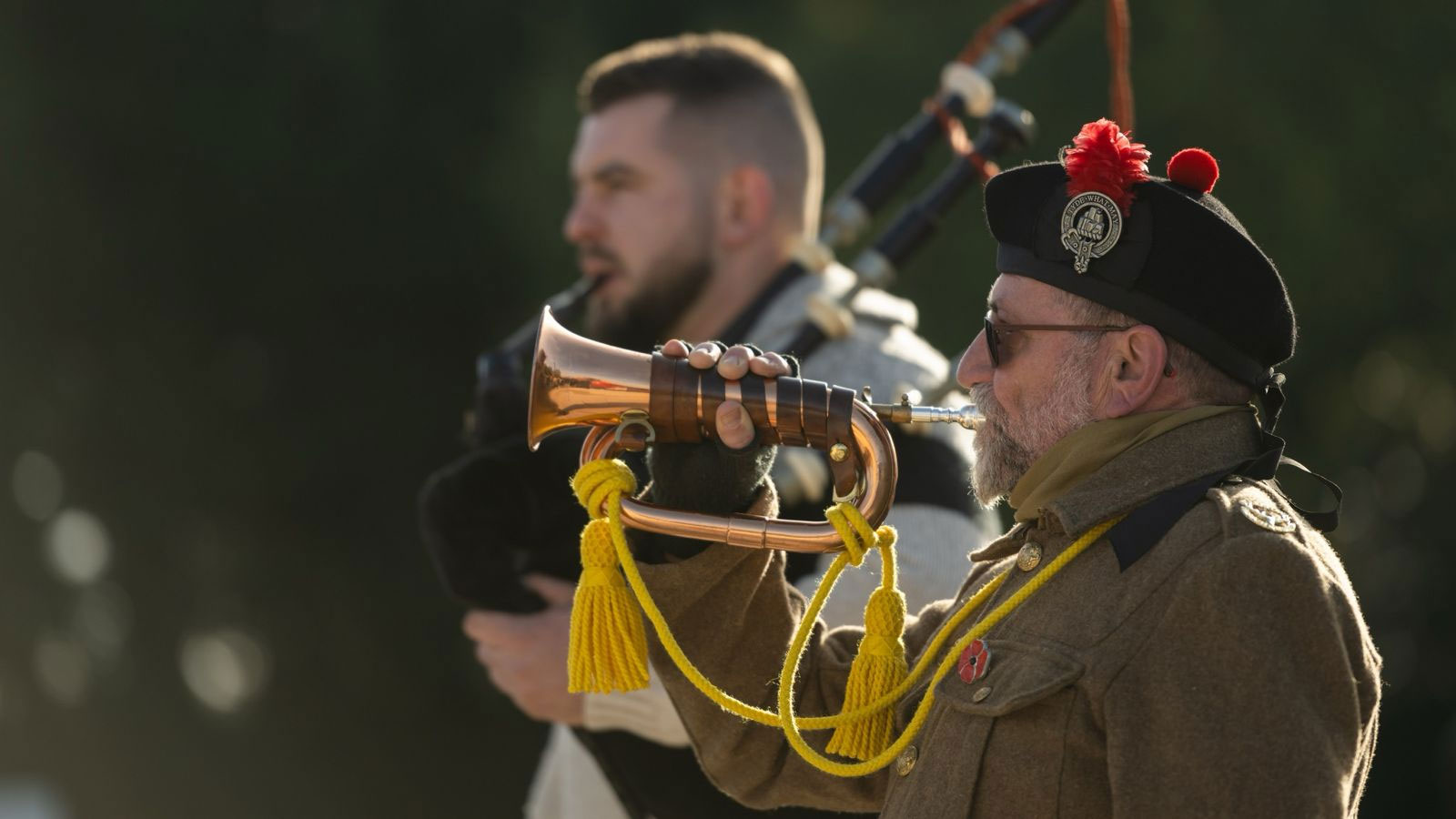
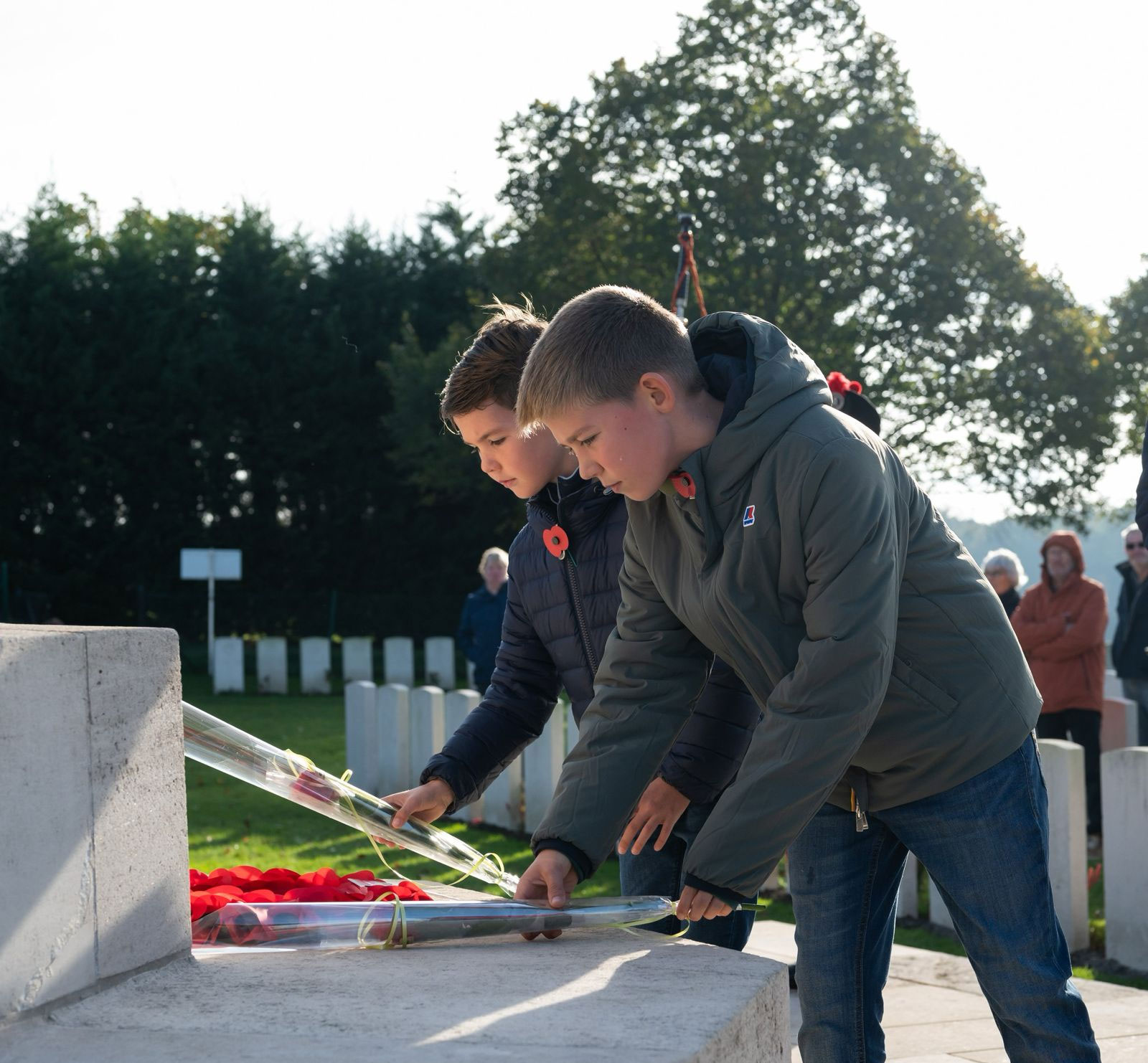
Many times, a bagpiper plays a sad tune, followed by the laying of wreaths in honor of the fallen.
Remembrance Is a Duty
The idea of honoring the fallen is a profoundly Catholic notion. A soldier who puts his life on the line for his country is serving the common good and living and dying for a cause greater than himself.
In the Sacred Scriptures, Our Lord sums up this sacrifice saying: “Greater love than this no man hath, that a man lay down his life for his friends” (John 15:13).
Inside the Menin Gate is the Hall of Memory, where the names of more than 54,000 soldiers are inscribed in stone. An inscription on the interior arch reads “Ad Majorem Dei Gloriam (To the greater glory of God). Here are the recorded names of officers and men who fell in Ypres Salient, but to whom the fortune of war denied the known and honored burial given to their comrades in death.”

“They Were Staunch to the End Against Odds Uncounted”
During the ceremony to honor the fallen at the Menin Gate, the poem For the Fallen is recited.
Written by British poet Laurence Binyon, it poignantly expresses the sorrow for the uncounted dead who never returned to England’s shores:
“With proud thanksgiving, a mother for her children,
England mourns for her dead across the sea.
Flesh of her flesh they were, spirit of her spirit,
Fallen in the cause of the free.”
Another stanza of the poem also reflects on the heroism of these men as they went into battle:
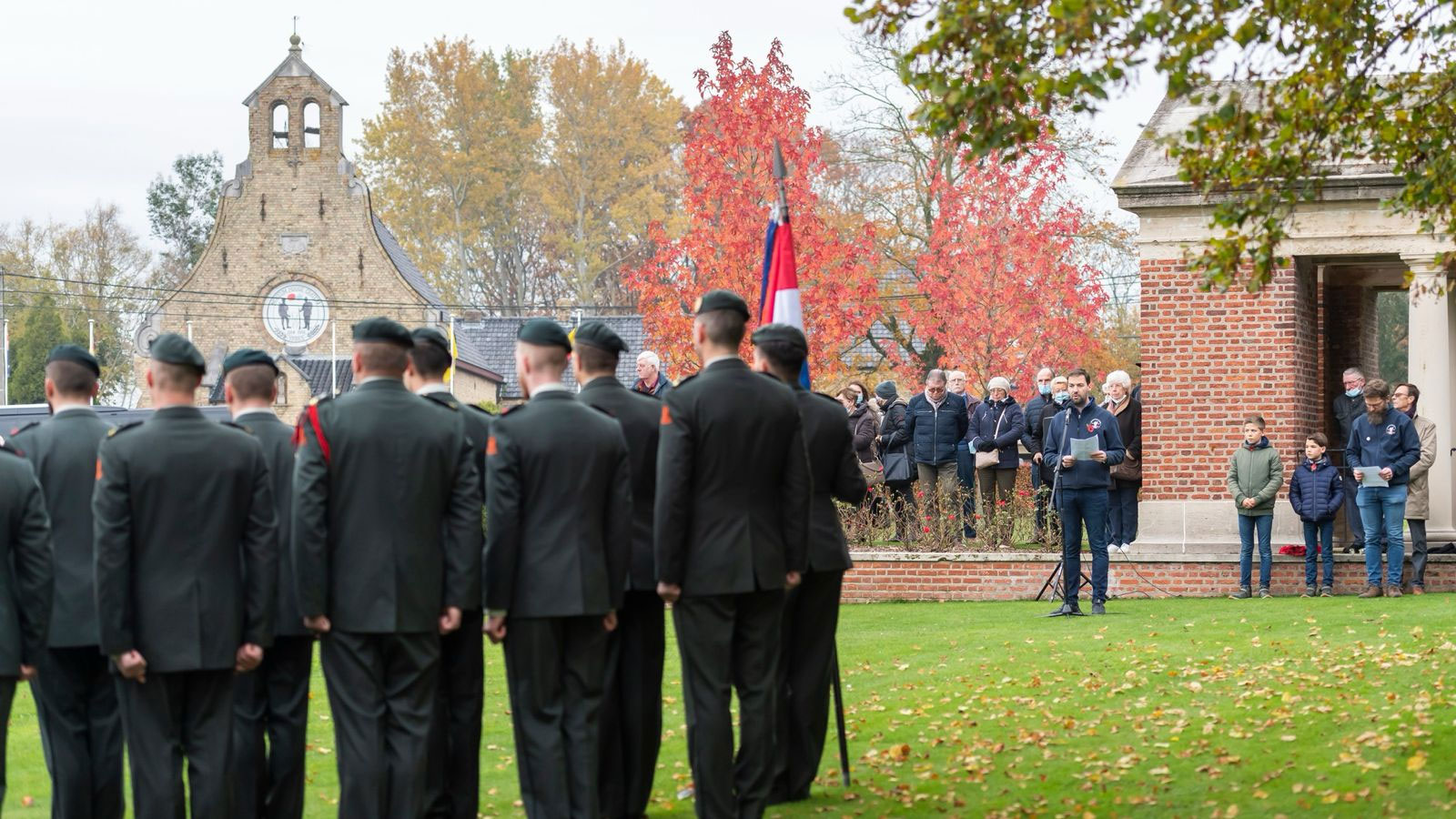
“They went with songs to the battle, they were young,
Straight of limb, true of eye, steady and aglow.
They were staunch to the end against odds uncounted:
They fell with their faces to the foe.”
What Is Remembered in November
The month of November is dedicated to the Holy Souls in Purgatory. Two dates stand out. November 1, All Saints’ Day, celebrates all the faithful in a state of grace who have departed this earth. The other date is November 11, when the Great War ended with the signing of the armistice on November 11, 1918. Many Western countries commemorate this day by dedicating it to the memory of soldiers who fell during this war and others.
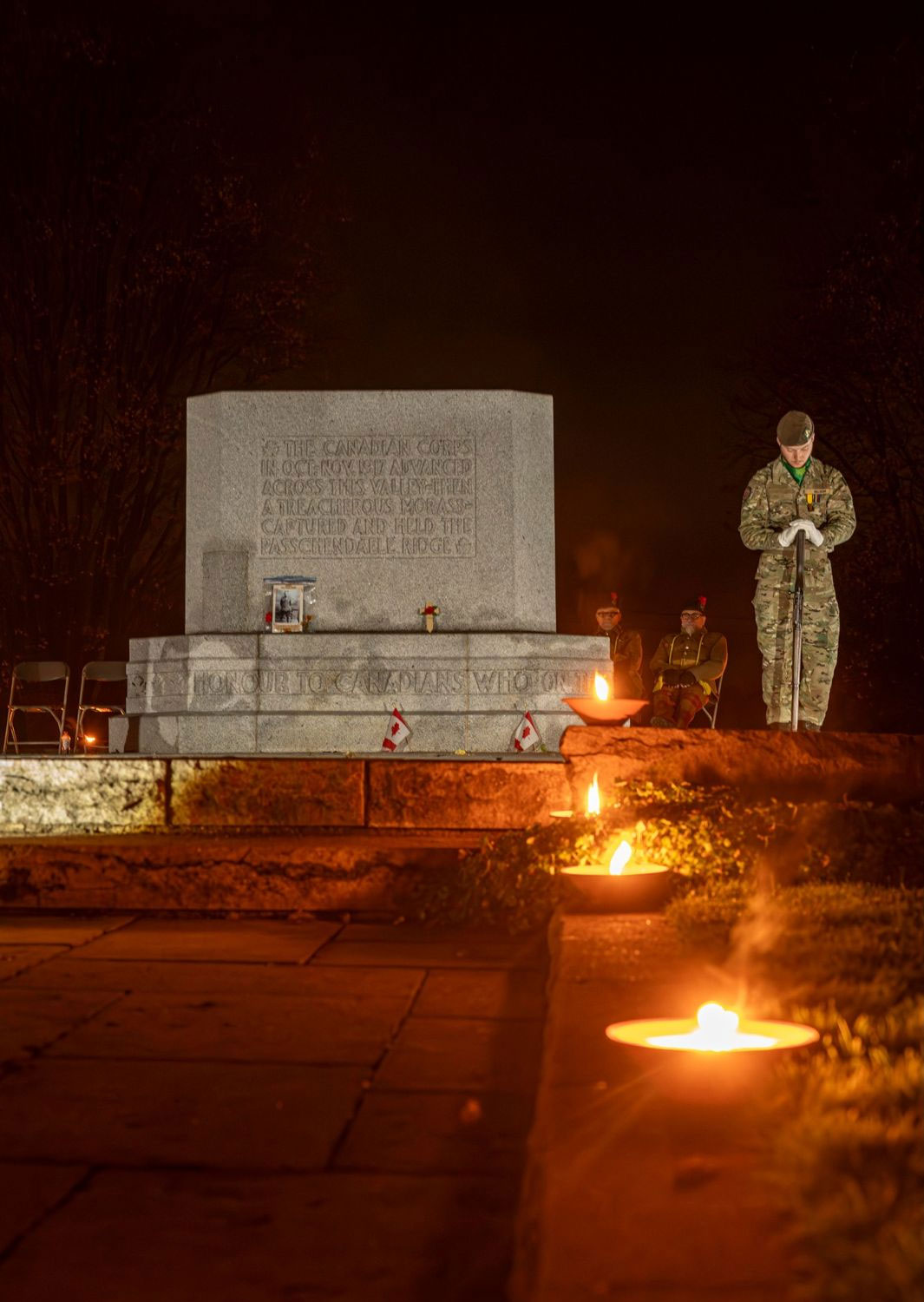
Remembering and praying for the dead, particularly fallen troops, is an act of charity for them, but also a reminder for those who remain here to practice the virtue of gratitude for the incredible sacrifice of so many soldiers from Europe and North America.